
Fractional CFO · Founder-led businesses
You're not short of numbers.
You're short of answers.
I help founders of growing businesses turn financial data into decisions they can act on, combining the rigour instilled during my banking career with the instincts of a founder who's built a brand of her own.
Brands I've worked with







Your finance function is looking backwards.
You have a bookkeeper. You get monthly reports. At year-end, your accountant files everything neatly and sends a bill.
But when it matters - when you're deciding whether to hire, whether to push into a new channel, whether to take that investment offer - the numbers don't help. They show you what happened last month. They don't tell you what to do next.
That's not a bookkeeping problem. It's a visibility problem. Your finance function is looking backwards when your business needs it to look forwards.
I've sat on both sides of this. I spent over a decade in investment banking structuring deals worth up to £1bn. Then I left to build my own consumer brand from scratch, and I quickly learned that all that technical rigour means very little when it's your own cash on the line and you're deciding whether to reorder stock or pay a supplier first.
That experience changed how I think about finance. It's not about the numbers themselves. It's about what they're telling you, and what you do with that.
What working with me looks like
I embed alongside you as a fractional CFO - part of your team, not a consultant who disappears after handing over a deck. Depending on where you are, that might mean:
Getting your numbers to make sense
Restructuring your management accounts so they reflect how your business works. For DTC brands that means contribution margin at CM1, CM2, and CM3 with proper COGS methodology. For service businesses with multiple revenue streams, it means allocating costs to business lines so you can see which parts of the business are carrying their weight.
Building the infrastructure for growth
Chart of accounts design, KPI frameworks, cash flow forecasting. The foundations that let you scale without the wheels coming off.
Preparing for what's next
Whether that's a fundraise, an acquisition, a debt facility, or a significant commercial decision, I help you build the financial story stakeholders need to see, and make sure the business behind it stacks up.
Being in the room when it matters
Board prep, investor conversations, pricing decisions. Finance isn't a back-office function. It should be shaping how you run the business. I make sure it does.
I typically work with consumer brands turning over between £2m and £50m, and B2B service businesses at similar stages. If you're asking whether we're actually profitable on this or whether we can afford to do this, those are the questions I'm built for.
What this looks like in practice
What clients and colleagues say
No business can thrive without a good handle on the numbers, and there is no one better at getting those pesky digits in the right order at the right time. But here is the best bit - she can actually tell you what they mean and what you need to do next. Daniya is a rare breed. She is highly skilled in her area but also has experience as a founder to move beyond the spreadsheet and think about growth, team, ops, marketing, and all the other things your business needs.
Daniya made an immediate impact on the business and very quickly established herself as someone with exceptional commercial and financial capability. What impressed me most was her ability to make sense of a complex and fast-moving P&L incredibly quickly. Within a very short space of time, Daniya had developed a deep understanding of the commercial drivers across the business and was able to translate data into clear, actionable insight that genuinely supported decision-making at leadership level.
We managed to turn the business around, thanks to Daniya's work - I still have her listed in my contacts as 'Daniya Angel'.
Lessons learned
Short reads on what matters at your stage
What your management accounts should actually tell you
If you get a P&L each month and still don't know whether your business is working, the format is the problem. Here's what good looks like.
Read more → Cash flowThe 45-day cash gap most founders don't know they have
Cash flow problems rarely arrive without warning. The warning signs are usually sitting in your payment terms, your stock cycles, and the gap between them.
Read more → Finance rolesWhat a fractional CFO actually does, and when you need one
The difference between a bookkeeper, an accountant, and a CFO isn't seniority. It's what they're looking at. Most growing businesses need one long before they think they do.
Read more →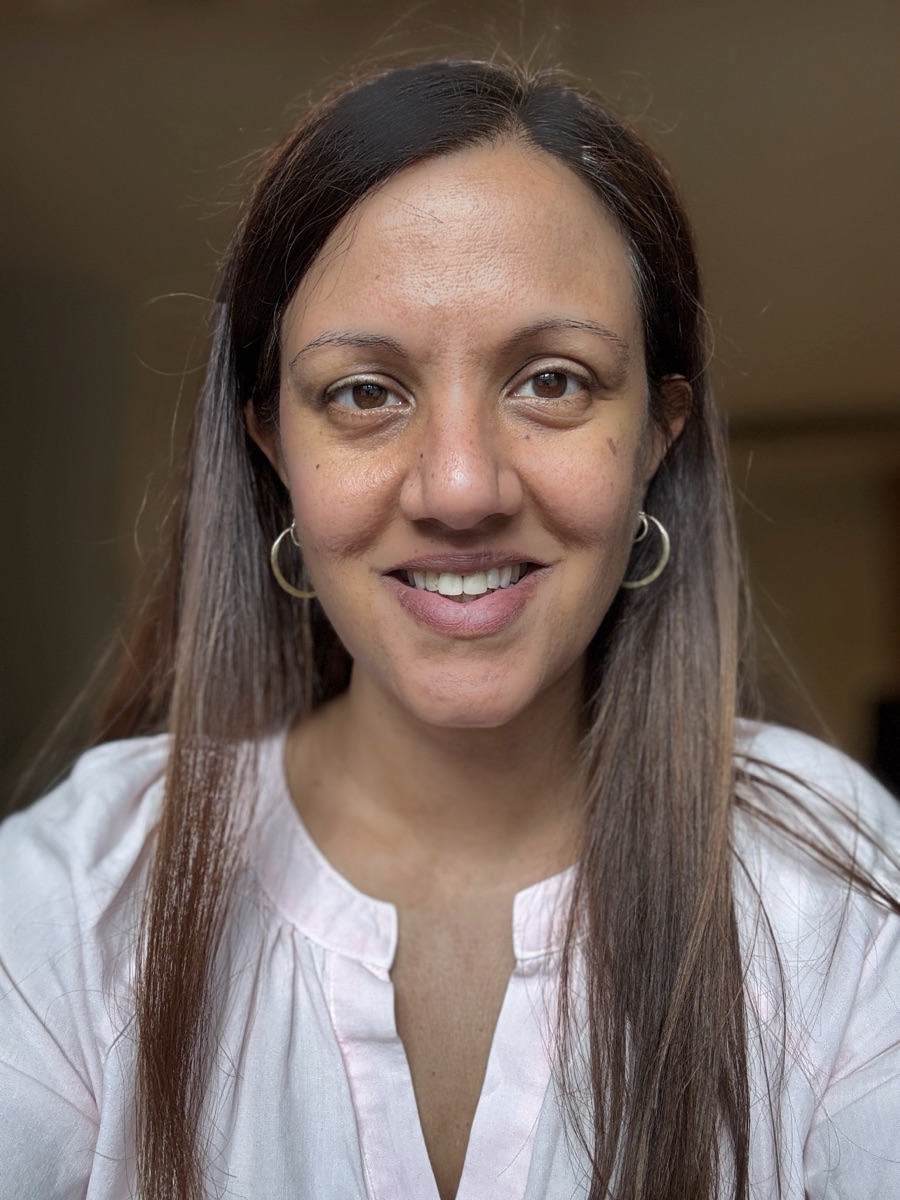
About Daniya
Both sides of the table
I spent over a decade at Nord/LB in London as a Project Finance Director, structuring and closing more than 40 renewable energy transactions — deals ranging from £10m to £1bn. I was good at the technical side. But I also knew I wanted to build something of my own.
In 2020, I founded Phomo, a Vietnamese pho meal kit business. We got stocked in Whole Foods, Selfridges, and Harvey Nichols. We won Great Taste Awards and were featured in The Times and The Telegraph. That experience changed how I think about finance - when it's your own business, the numbers are the difference between keeping the lights on and making payroll.
Work with me
Let's talk
If anything above rang true - if you recognise your business in what you've read - I'd like to hear from you. I work with a small number of clients at any one time, so the first conversation is straightforward: you tell me what's going on, I tell you honestly whether I can help.
A useful place to start
10 questions to ask about your monthly numbers
Not ready to talk yet? Work through these ten questions — it takes about 2 minutes. For every no, you'll get a personalised note on what it usually means and where to start.
Free. 2 minutes. Personalised follow-up based on your answers.
FAQ
Questions founders ask
What is a fractional CFO? #
A fractional CFO is there to support your business growth decisions and works with your business part-time or on a project basis. You get senior-level financial thinking, strategic direction, investor relations, financial modelling, cash flow planning - without the cost of a full-time hire. It's particularly common in businesses between £2m and £50m revenue, where the need is real but a full-time hire isn't yet justified.
When does a founder-led business need a fractional CFO? #
Usually when the questions get harder. If you're asking whether you can afford to hire, which channel is actually profitable, or why cash always feels tight despite growth, those are signs the finance function needs to evolve. A bookkeeper records what happened. A fractional CFO helps you decide what to do next.
How is a fractional CFO different from an accountant? #
Your accountant keeps you compliant: tax returns, statutory accounts, regulatory filings. A CFO is focused on the health and direction of the business. They're asking different questions: what are the unit economics of this product? What does this pricing decision do to our margins? Can the business support this level of growth? The two roles complement each other.
Do you only work with DTC or consumer brands? #
Most of my clients are consumer-facing - DTC, e-commerce, wellness, food and drink. But the underlying financial challenges are similar for B2B service businesses at similar stages, and I work with those too. If you're not sure whether I'd be the right fit, reach out and I'll tell you honestly.
How do engagements typically work? #
Every engagement is different. Some clients need a few days a month for ongoing financial oversight. Others bring me in for a specific project:
- a fundraise
- a restructure
- improved investor reporting and relations
- or because they need more visibility on their numbers
We start with a conversation about where you are and what you need, and scope from there.
What does good management accounts reporting look like? #
Good management accounts give you a clear view of contribution margin by channel or product, your cash position and forecast, key operating metrics alongside the financials, and actuals versus plan with a narrative that tells you where to focus. For DTC brands, that typically means CM1, CM2, and CM3 with proper COGS methodology. If your monthly report is just a P&L and a balance sheet, it's probably not doing enough.
Where are you based? #
I'm based in Buckinghamshire and work with businesses across the UK either remotely and in person where required.